The Vacuum Blood Collection Red design puts a strong emphasis on safety and efficiency in clinics. The sterile construction combined with the secure sealing helps to minimize contamination risks to both patients and lab staff. The tubes can be used with vacuum-based blood draw systems, centrifuges, and automated analyzers. Vacuum Blood Collection Red are trusted by hospitals to keep sample integrity during the different tests, including serology, molecular diagnostics, and routine blood panels. Their labeling, volume, and additive composition are the same, which makes it easier to process and thus, reduces pre-analytical errors. This combination of features makes Vacuum Blood Collection Red an indispensable part of the current laboratory and hospital workflows that support timely and accurate patient diagnostics.

Infectious disease units utilize Vacuum Blood Collection Red to obtain blood for detection of pathogens, serology, and molecular diagnostics. Their sterile construction along with chemical additives help in the stabilization of samples for the testing process thus giving accurate results. Hospital personnel place colored caps on the tubes according to a code indicating the assays to which the tubes are assigned, thus facilitating prompt processing and lessening the risk of contamination. Tubes are compatible with automated analyzers which makes them a part of the efficient workflow in high-demand environments. The use of Vacuum Blood Collection Red in these units allows healthcare facilities to keep a constant and prompt detection of infections thus providing a better patient safety and support in the infection control protocols as well.
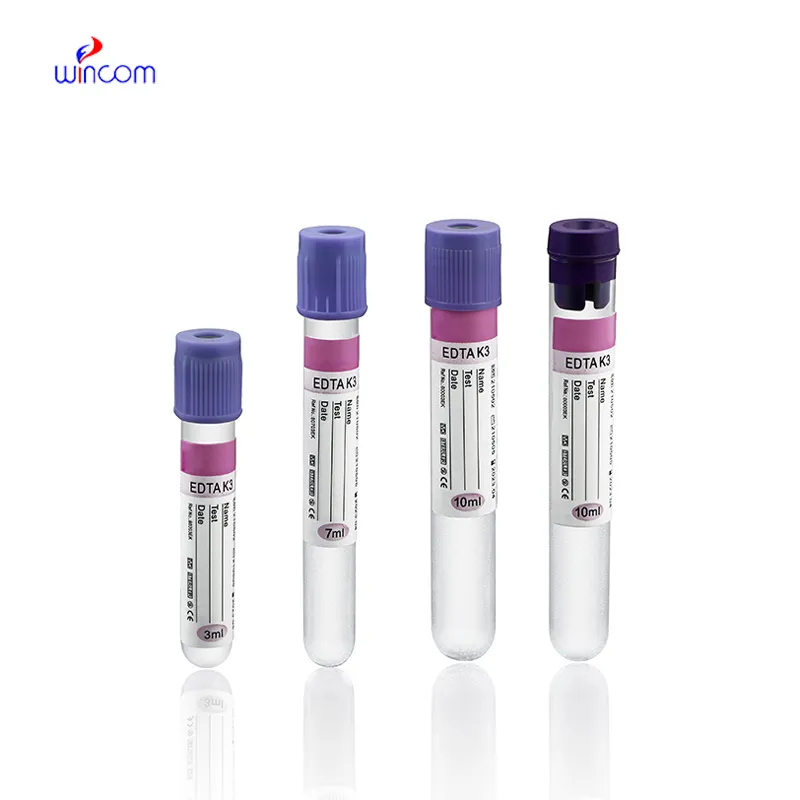
In hospitals, the sophisticated Vacuum Blood Collection Red might consist of immediate data transfer, which would make it possible for the laboratory information systems to observe the conditions of the collection and transportation of the samples remotely. The tubes could manage to deliver data regarding the temperature, shaking, and duration, thus maintaining the sample's integrity prior to analysis. The combination with automation will lead to a decrease in the handling and error rates. The next Vacuum Blood Collection Red will offer digital connectivity along with the use of superior materials and pre-measured additives, which will improve the communication between the laboratory and the physicians, the safety of the patients, and the reliability of the diagnosis. The hospitals will depend on the use of these tubes for the optimization of laboratory operations, the support of high-throughput testing, and the delivery of clinical results that are traceable and reproducible.
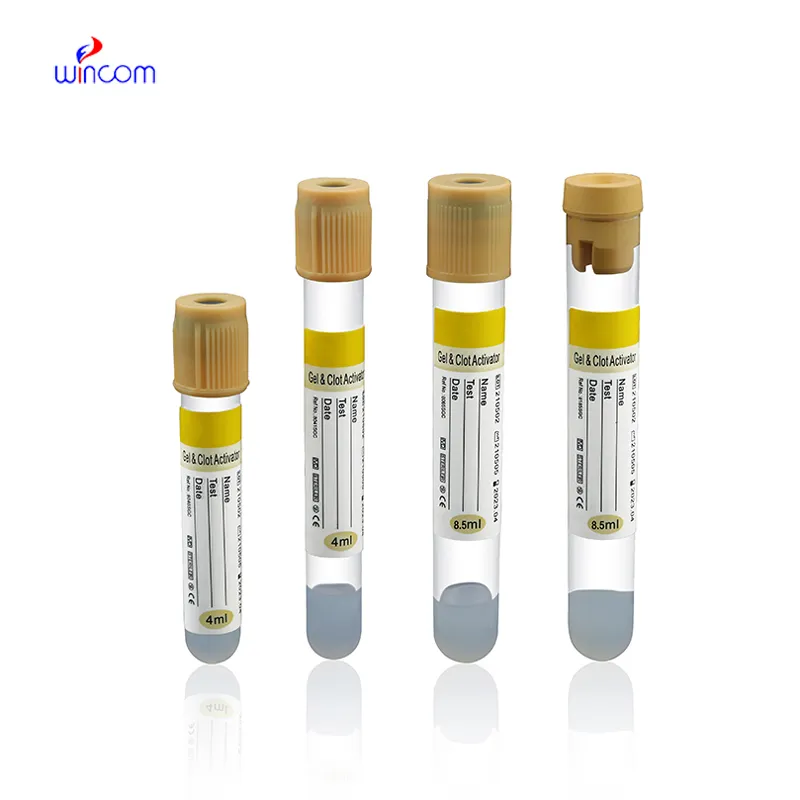
The proper upkeep of Vacuum Blood Collection Red necessitates close supervision of the conditions and practices of storage and using them. Ultraviolet light, which can damage certain additives, must not shine on the tubes. Hospitals in most cases have a practice of doing regular quick eye examinations before the use of tubes to detect any faults. The storage systems must be designed such that they do not put any physical strain on the tubes but at the same time allow easy access. The observance of hygiene rules by the staff also minimizes the contamination risk. All these practices together make Vacuum Blood Collection Red reliable for daily laboratory operations and clinical testing sectors.
Vacuum Blood Collection Red are typically employed for blood collection in a matter of seconds in emergency rooms and ICU. The different colors of their caps are a sign of what kind of additive is present inside, thus making it easier for the doctors to choose the right tube for tests such as coagulation, blood chemistry, or infectious disease markers, etc. Also, these tubes can be used with vacuum-based systems for blood draw, thus providing safe and efficient collection even in hard situations. The accurate labeling and proper handling of Vacuum Blood Collection Red greatly reduce the chance of mix-ups between samples and make it possible to trace them back, thereby supporting the timely diagnostic decisions which are very important for urgent patient care in high-pressure hospital environments.
Q: What additives are found in Blood Collection Tubes? A: Additives may include anticoagulants, clot activators, or gel separators depending on test requirements. Q: How do Blood Collection Tubes support accurate testing? A: They preserve blood components and prevent degradation during transport and processing. Q: Are Blood Collection Tubes compatible with automated analyzers? A: Yes, most tubes are designed to work with modern laboratory automation systems. Q: Why is proper tube selection important in hospitals? A: Using the correct tube ensures reliable test results and reduces pre-analytical errors. Q: Do Blood Collection Tubes have expiration dates? A: Yes, expiration dates ensure additives remain effective and safe for use.
The hospital bed is well-designed and very practical. Patients find it comfortable, and nurses appreciate how simple it is to operate.
The water bath performs consistently and maintains a stable temperature even during long experiments. It’s reliable and easy to operate.
To protect the privacy of our buyers, only public service email domains like Gmail, Yahoo, and MSN will be displayed. Additionally, only a limited portion of the inquiry content will be shown.
We’re looking for a reliable centrifuge for clinical testing. Can you share the technical specific...
Hello, I’m interested in your centrifuge models for laboratory use. Could you please send me more ...
E-mail: [email protected]
Tel: +86-731-84176622
+86-731-84136655
Address: Rm.1507,Xinsancheng Plaza. No.58, Renmin Road(E),Changsha,Hunan,China


 EN
 af
 es
 ar
 tr
 sw
 pt
 th
 ur
 bn
 ne
 vi
 km
 lo
 de
 ru
 fi
 nl
 fa
 fr
 ko