The main goal of prp blood collection tubes is the preservation of blood samples from the time they are collected until laboratory processing. The sterile design, secure closures, and pre-measured additives guarantee the stability of cellular and plasma components. These tubes are used by hospitals and research centers to lower contamination risks and facilitate automated testing processes. Their ability to work with centrifuges, analyzers, and barcode systems allows for quick and accurate sample tracking and processing. The color codes help the medical staff and the laboratory workers to quickly identify the type of tube. By delivering dependable performance, prp blood collection tubes become a crucial tool for laboratory diagnostics that are accurate, safe, and reproducible.

prp blood collection tubes are utilized in clinical chemistry laboratories for the automated testing of metabolic, enzymatic, and hormonal markers. The use of pre-filled additives like clot activators or anticoagulants help in maintaining the quality of the sample so that it can be analyzed with precision. Moreover, the tubes have compatibility with high-throughput centrifuges and analyzers, which results in the optimization of laboratory operations. The proper labeling and color-coding practices not only enhance traceability but also minimize pre-analytical errors. The use of prp blood collection tubes by laboratories will enable them to obtain reliable and reproducible results over different assays, thereby assisting in diagnosis, treatment planning and patient monitoring in both hospital and research settings with a high degree of accuracy.
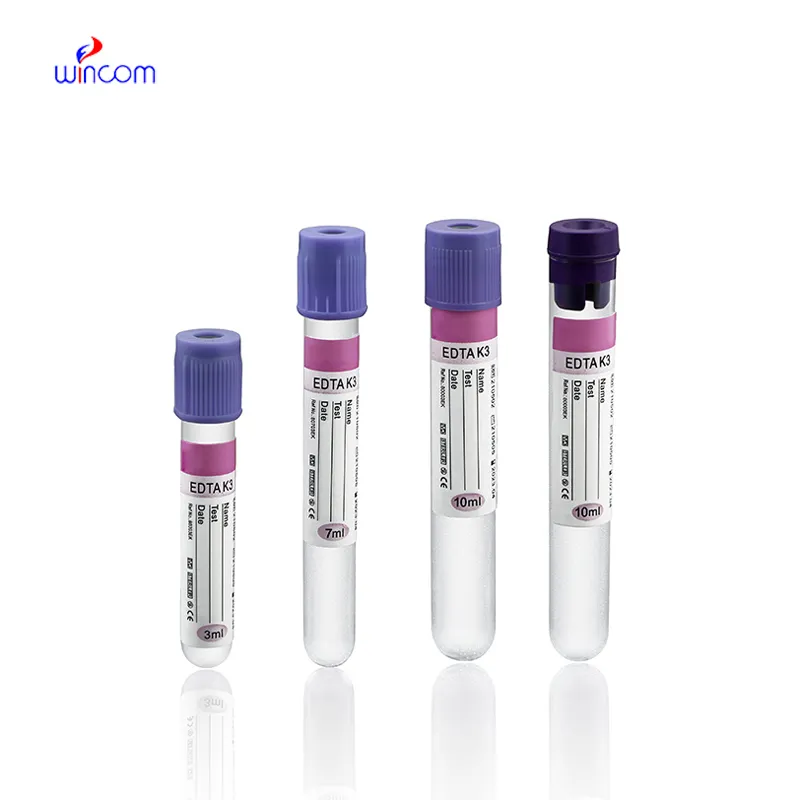
The future of prp blood collection tubes might put a stronger focus on environmental sustainability besides clinical performance. The hospitals might use tubes manufactured from recyclable or biodegradable elements that allow for no compromise on sterility or chemical stability. Furthermore, the smart designs with integrated tracking, additive optimization, and automated analyzer compatibility will facilitate laboratory work a lot more. Through the synergy of eco-friendly construction and technological enhancements, the upcoming prp blood collection tubes will not only comply with regulatory requirements but also lower laboratory waste and continue to deliver precise and trustworthy sample processing for both routine diagnostic and advanced hospital research applications.
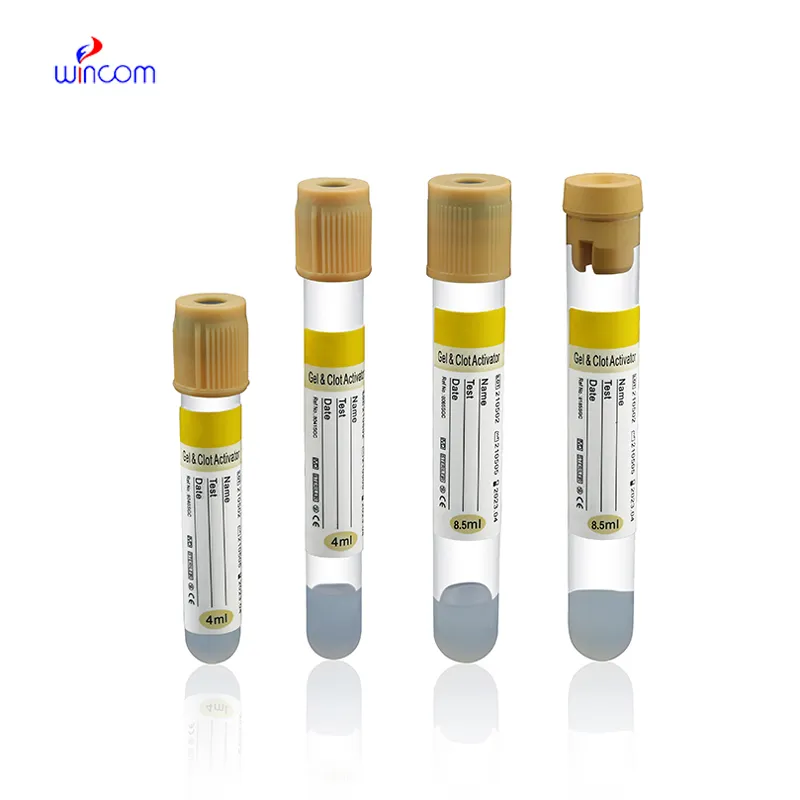
prp blood collection tubes routine maintenance procedures are primarily concerned with handling and environmental conditions rather than mechanical maintenance. To keep the tubes sterile, laboratories must guarantee that they are not opened until they are required. The tubes should not be exposed to moisture, dust, or chemical vapors. To reduce the risk of cross-contamination, hospital personnel must strictly adhere to the established protocols for disposal after each use. Cleaning and monitoring of storage areas for temperature stability should be done regularly. By providing controlled conditions and consistently applying handling procedures, healthcare institutions will be able to maintain the dependability of prp blood collection tubes all through their projected usage life cycle.
prp blood collection tubes find their application in clinical chemistry laboratories for the testing of metabolic, hormonal, and enzymatic markers with the highest precision. Most of the time, these tubes are already filled with substances such as clot activators, gel separators, or anticoagulants to make sure that the samples remain intact. Laboratory personnel depend on such tubes for the processes of automatic centrifugation, separation, and analysis. The proper treatment of prp blood collection tubes eliminates pre-analytical errors and provides uniformity in the results of multiple tests. Their shape allows for effective workflow in not only high-capacity hospital laboratories but also in specialized testing facilities, hence assisting in timely diagnosis and treatment planning for patients.
Q: What is the role of vacuum technology in Blood Collection Tubes? A: Enabling a gentle but efficient controlled access to collect blood. Q: Is it possible that Blood Collection Tubes may affect the findings of the results in the laboratory? A: The introduction of Blood Collection Tubes negates some opportunities for sample integrity that supports laboratory results, assuming the correct tube usage. Q: Are Blood Collection Tubes suitable for long-distance transportation? A: They are indeed, with proper handling, storage, and keeping the sample integrity intact during transportation. Q: What steps does the laboratory follow to limit the occurrences of errors related to Blood Collection Tubes? A: Such measures would involve a checklist for collecting blood tubes, separate place for test tubes, all needles, and components (color-coded), shade for answered tubes with samples that are white for identification, identifying sample containers, reordering tube trays, discard policies, labeling, color codes, or sample. Q: What is required for Blood Tube manufacturing? A: The production process must comply with the rules and regulations applicable to medical devices and diagnostics?
We’ve used this centrifuge for several months now, and it has performed consistently well. The speed control and balance are excellent.
I’ve used several microscopes before, but this one stands out for its sturdy design and smooth magnification control.
To protect the privacy of our buyers, only public service email domains like Gmail, Yahoo, and MSN will be displayed. Additionally, only a limited portion of the inquiry content will be shown.
We are planning to upgrade our imaging department and would like more information on your mri machin...
We’re looking for a reliable centrifuge for clinical testing. Can you share the technical specific...
E-mail: [email protected]
Tel: +86-731-84176622
+86-731-84136655
Address: Rm.1507,Xinsancheng Plaza. No.58, Renmin Road(E),Changsha,Hunan,China


 EN
EN
 af
af
 es
es
 ar
ar
 tr
tr
 sw
sw
 pt
pt
 th
th
 ur
ur
 bn
bn
 ne
ne
 vi
vi
 km
km
 lo
lo
 de
de
 ru
ru
 fi
fi
 nl
nl
 fa
fa
 fr
fr
 ko
ko