The telescope electronic eyepiece distributer is engineered for precision and versatility, featuring adjustable magnification levels and ergonomic design for continuous use. Its optical system delivers uniform brightness and sharp focus on different specimens. Equipped with illumination controls within, the telescope electronic eyepiece distributer maximizes contrast and clarity, enabling easier observation of delicate structures. Digital cameras and connectivity options for real-time image acquisition and sharing are included in most models. The telescope electronic eyepiece distributer is built with durable materials to maintain stability of performance despite routine laboratory use.

Across the worlds of science, industry, and education, the telescope electronic eyepiece distributer enables research at the microscopic level. It is an essential tool in medical diagnosis to analyze blood, tissues, and pathogens. Environmental scientists apply the telescope electronic eyepiece distributer to determine bacteria and microalgae that indicate water levels of quality. In materials science, it enables nanostructure analysis and the identification of defects. Art conservators apply the telescope electronic eyepiece distributer to analyze pigments and varnish layers. Its ability to produce accurate, detailed imagery makes it a valuable resource in continuing discovery and research development.

The future of the telescope electronic eyepiece distributer is influenced by digitalization and smart automation. More efficient imaging sensors will allow the telescope electronic eyepiece distributer to identify three-dimensional structures with unprecedented precision. Artificial intelligence will analyze microscopic images, reduce human errors, and optimize research productivity. Wireless communication and cloud connectivity will facilitate collaboration globally with remote monitoring and immediate data exchange. The telescope electronic eyepiece distributer will be an entirely networked instrument that closes the gap between laboratory precision and data-driven research outcomes.
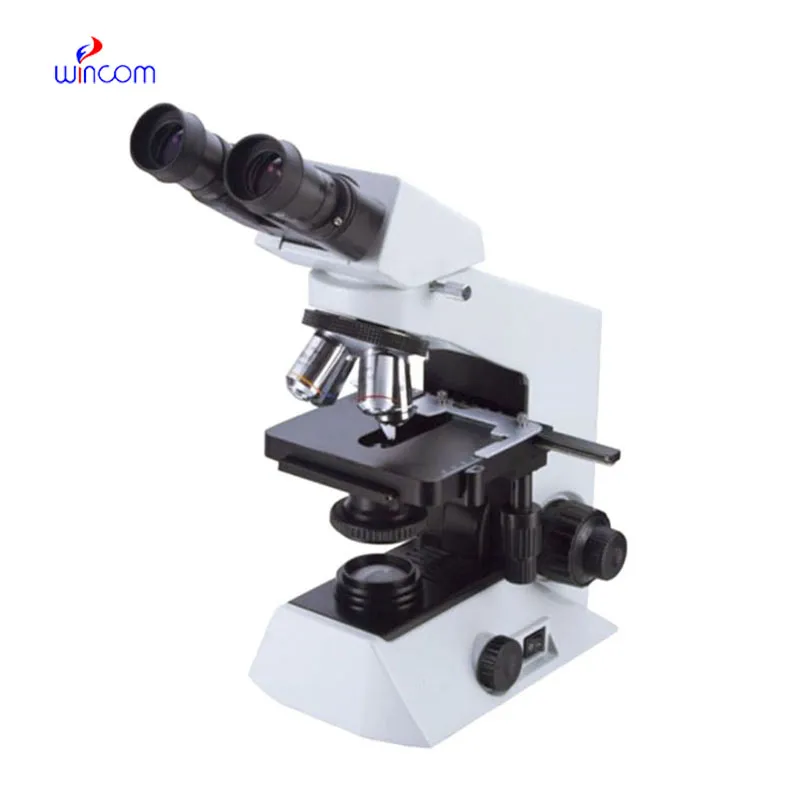
Users should implement a routine maintenance plan to ensure the telescope electronic eyepiece distributer remain in excellent working condition. Clean all optical parts using a blower or soft brush initially before a thorough cleaning. Do not disassemble the instrument at any time save by qualified individuals. Use light lubricant on moving parts to prevent stiffness and wear. The telescope electronic eyepiece distributer should be kept in a chemical fume and moisture-free environment. Power cables and lighting systems should be checked regularly for signs of premature deterioration or breakdown.
A telescope electronic eyepiece distributer is able to closely study microorganisms, tissue, and materials and is thus a fundamental instrument in laboratories and classrooms. It operates by bending light or electron rays to enlarge specimens to appear gigantic many times magnification. The telescope electronic eyepiece distributer has been enhanced with developments in optics to enable brighter, clearer, and digital-imaging-assisted magnification. In academic research work as well as industrial inspection, a telescope electronic eyepiece distributer enables accurate analysis, recording, and examination of complex microscopic realms.
Q: What are the main parts of a microscope? A: The key components include the eyepiece, objective lenses, stage, focusing knobs, and illumination system, all working together to magnify and clarify specimens. Q: How do you clean the lenses of a microscope? A: Lenses should be cleaned using soft lens paper or microfiber cloth with a small amount of lens cleaner to avoid scratching or damaging optical coatings. Q: What magnification levels can a microscope achieve? A: Depending on the model, a microscope can typically achieve magnifications ranging from 40x to over 1000x for detailed observation of microscopic structures. Q: Why is light adjustment important in a microscope? A: Proper light adjustment ensures accurate contrast and brightness, allowing clear observation without distortion or glare during viewing. Q: Can a microscope be used for educational purposes? A: Yes, microscopes are widely used in classrooms and laboratories to teach students about biology, materials science, and microscopic analysis.
We’ve used this centrifuge for several months now, and it has performed consistently well. The speed control and balance are excellent.
The delivery bed is well-designed and reliable. Our staff finds it simple to operate, and patients feel comfortable using it.
To protect the privacy of our buyers, only public service email domains like Gmail, Yahoo, and MSN will be displayed. Additionally, only a limited portion of the inquiry content will be shown.
Hello, I’m interested in your centrifuge models for laboratory use. Could you please send me more ...
We are planning to upgrade our imaging department and would like more information on your mri machin...
E-mail: [email protected]
Tel: +86-731-84176622
+86-731-84136655
Address: Rm.1507,Xinsancheng Plaza. No.58, Renmin Road(E),Changsha,Hunan,China


 EN
 af
 es
 ar
 tr
 sw
 pt
 th
 ur
 bn
 ne
 vi
 km
 lo
 de
 ru
 fi
 nl
 fa
 fr
 ko