The design of best non prescription oxygen concentrator integrates air purification, compression, and oxygen concentration in a small medical device. This arrangement is appreciated by hospitals as it can run non-stop with very little interruption. Medical personnel can effortlessly keep track of the oxygen output due to the presence of clear indicators and control systems. The device, which is made for clinical reliability, is capable of providing daily oxygen therapy to several departments. Its build focuses on toughness and regulated performance, thus best non prescription oxygen concentrator is fit for the hospital's long-term utilization.

In hospitals and clinics, best non prescription oxygen concentrator is useful for outpatient patients who need oxygen for a short period of time, such as during treatments or evaluations. Clinics enjoy the convenience of having oxygen available right away without the need for complicated infrastructure. The medical personnel are using a device at the time of respiratory examinations and carrying out minor procedures. Its small size easily accommodates even the most overcrowded clinical space. The use of this technology in the outpatient department has immensely improved the workflow by giving respiratory support to patients, when and where it is needed.
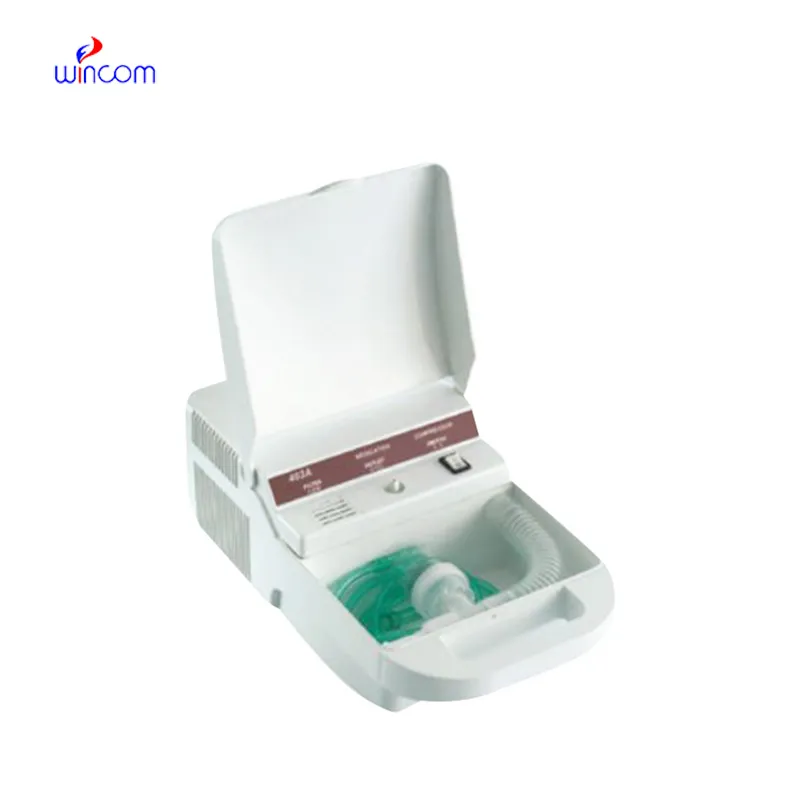
Looking forward, the best non prescription oxygen concentrator can possibly be more influential in the integrated respiratory care systems. Their combined application with monitoring devices and ventilatory support equipment could lead to better patient management coordination. Hospitals might favor more integrated respiratory platforms for the sake of quick and smooth patient care. This trend is the result of the rising need for medical devices that work together. With the continuous improvement of healthcare technology, best non prescription oxygen concentrator will still be developing in the intricate clinical ecosystems.
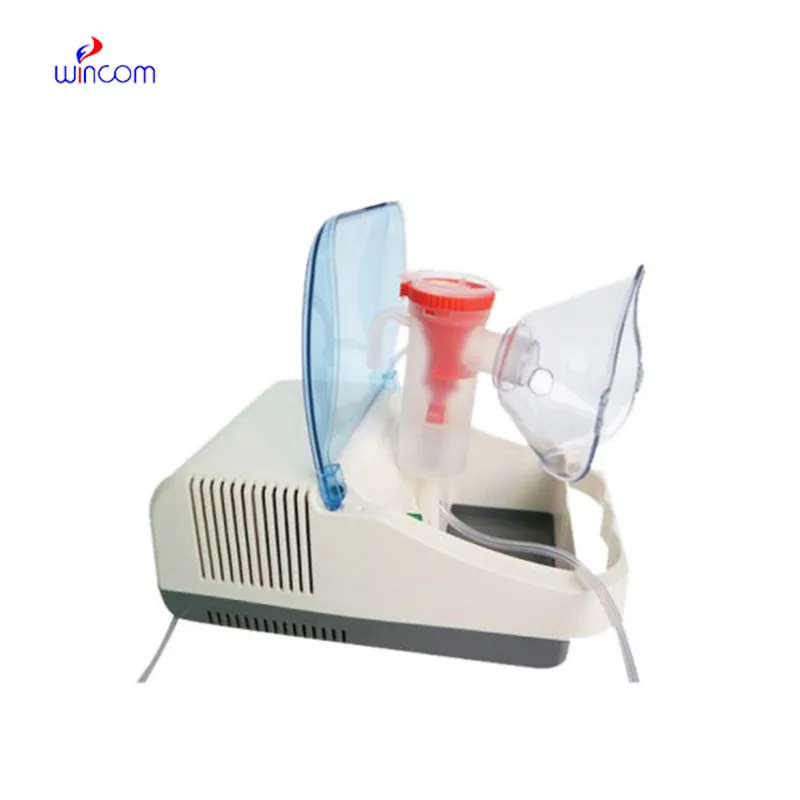
Long-term maintenance of best non prescription oxygen concentrator comprises preventive replacement of consumable parts like filters and seals. Monitoring equipment performance metrics and scheduling maintenances can keep oxygen supply up to the mark. It is necessary for hospitals to keep comprehensive service records for meeting compliance and planning their operations. Training of the staff in the correct ways of handling, cleaning, and monitoring will increase the life of the device. Through the implementation of comprehensive care protocols, medical establishments secure the stable and high-quality oxygen therapy provision by best non prescription oxygen concentrator in patient areas, recovery zones, labs, and other hospital locations where respiratory support for patients is a must.
In recovery units after surgery, best non prescription oxygen concentrator is particularly applied to assist patients to return to a stable breathing state after being put under anesthesia. The gradual flow of oxygen suffices to keep the oxygen saturation in the blood at proper levels during the early recovery phase. Hospital personnel observe the patients and change the rates as per the needs. The apparatus guarantees that during this crucial period, oxygen will never run out. Besides, the use of best non prescription oxygen concentrator in recovery departments is indicative of its adaptability to various parts of hospital patient treatment.
Q: What is the main difference between an Oxygen Concentrator and an oxygen cylinder? A: A: An oxygen concentrator builds oxygen from the air, this means there is no need for cylinders to be refilled, while an oxygen cylinder only dispenses oxygen. Q: Will it be alright for the patients suffering from chronic respiratory diseases? A: Yes, in case of COPD or severe asthma, it is an oxygen therapy that lasts indefinitely. Q: Will it be a good choice for laboratory purposes? A: Yes, it is a major contributor to the provision of controlled oxygen in medical research or the conducting of experiments where stable oxygen levels are a must. Q: What is the process for oxygen flow adjustment? A: The patient’s oxygen volume can be easily set by the staff using flow meters and knobs. Q: What needs to be done for the appliance to be maintained? A: Cleaning filters on a regular basis and inspecting the tubing, as well as monitoring of alarms, will ensure the machine performs properly all the time.
The centrifuge operates quietly and efficiently. It’s compact but surprisingly powerful, making it perfect for daily lab use.
We’ve used this centrifuge for several months now, and it has performed consistently well. The speed control and balance are excellent.
To protect the privacy of our buyers, only public service email domains like Gmail, Yahoo, and MSN will be displayed. Additionally, only a limited portion of the inquiry content will be shown.
Could you please provide more information about your microscope range? I’d like to know the magnif...
We’re looking for a reliable centrifuge for clinical testing. Can you share the technical specific...
E-mail: [email protected]
Tel: +86-731-84176622
+86-731-84136655
Address: Rm.1507,Xinsancheng Plaza. No.58, Renmin Road(E),Changsha,Hunan,China


 EN
 af
 es
 ar
 tr
 sw
 pt
 th
 ur
 bn
 ne
 vi
 km
 lo
 de
 ru
 fi
 nl
 fa
 fr
 ko